 BroxtenDigital
E-E-A-T in SEO stands for experience, expertise, authoritativeness, and trustworthiness, the framework Google leans on harder now that AI is grading content instead of just ranking it. Understanding which part of the acronym Google is weighing more heavily matters way more than knowing the acronym itself.
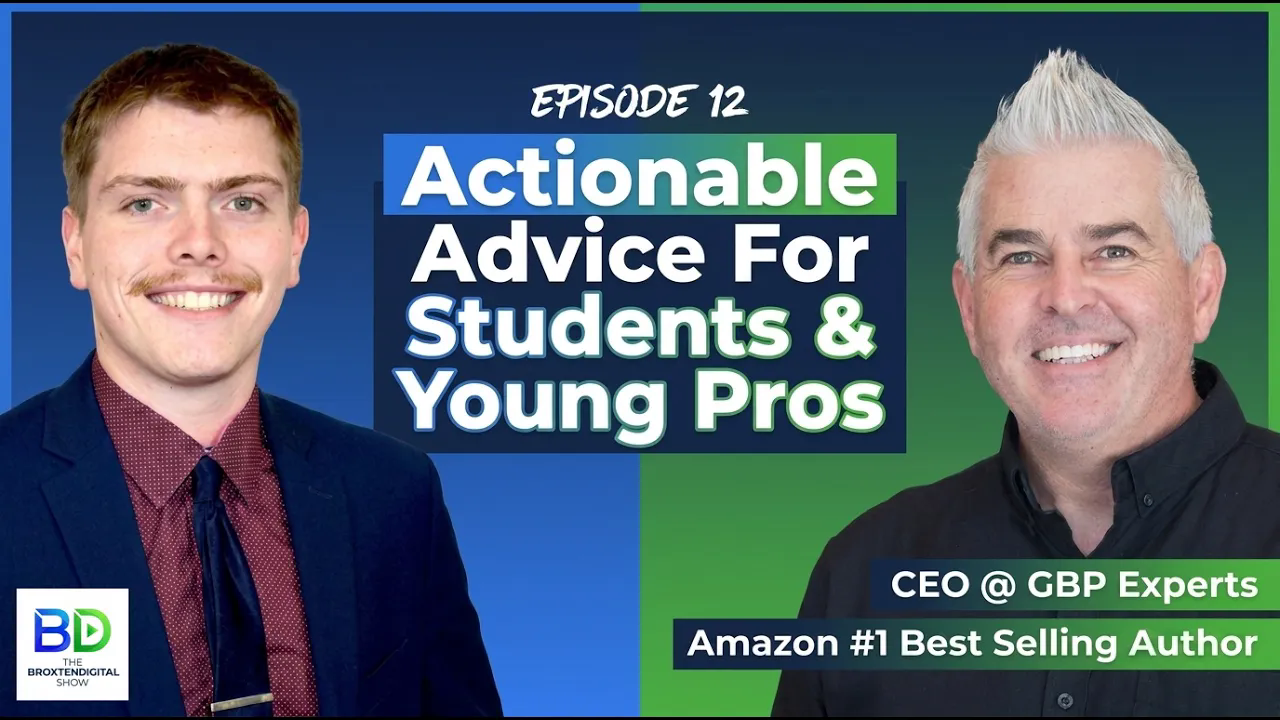
At The GBP Experts, Brad Wetherall is the CEO. He spent years at Google managing Google Business Profile inside Maps, Google Wallet, and Shopping. I asked him to come on because he literally wrote the roadmap for where search is headed: AI and the Future of Search.
What Is E-E-A-T in SEO?
Brad defines it in a way that's easy to follow. "Experience, expertise, trustworthiness and authoritativeness," he told me, the four qualities behind the acronym Google has used for years to judge content.
The change is how much pull it has now. In December, Google shifted its core algorithm to focus more heavily on the experience and expertise parts of that acronym specifically.
The practical result is that an unattributed blog post lost value overnight, while the same post with a real byline, tied to someone with real authority on the topic, gained it.
New in the industry? I sit down with people a few seats ahead and bring back what they wish they knew in year one. Subscribe on YouTube.
How Is AI Changing Google Search?
Brad watched this shift from inside Google, where the mission used to be organizing the world's information into ten blue links.
"It's less about organizing the world's information and it's more about ingesting the world's information," he said, so AI can form its own answer instead of just pointing you to a page.
He says this shift is as big as the internet was, and his generation is basically living through that twice now.
How Do You Optimize Content for AI Search?
Brad's book breaks this down into five levers, three you control directly and two that other people control for you.
You control three things: your website's technical health and schema, your content strategy with real names attached, and your Google Business Profile feeding data right into Google.
The other two things are your reviews and your broader reputation and PR. Ignore any of the five and "your brand ends up becoming whatever AI says it is," he said.
How Do You Make Good Decisions Without a Boss To Ask?
Brad learned this the hard way while running his own consulting business early in his career, no one there to ask for guidance.
"You can only make the decision with the information that you have at your disposal," he said. What worked for him as a leader was laying out the why behind every decision he made, even when he wasn't certain it was right, so his team picked up the reasoning and not just the answer.
Every job after, same approach: own the call, get what data you can access, and move forward.
Watch the full conversation
Watch the full episode with Brad Wetherall on YouTube for more on his path from a suitcase and a surfboard in Australia to running products at Google.
Watch next: The BroxtenDigital Show - Episode 9: Amy Toman
New in the industry? Subscribe on YouTube for more conversations like this one.