 BroxtenDigital
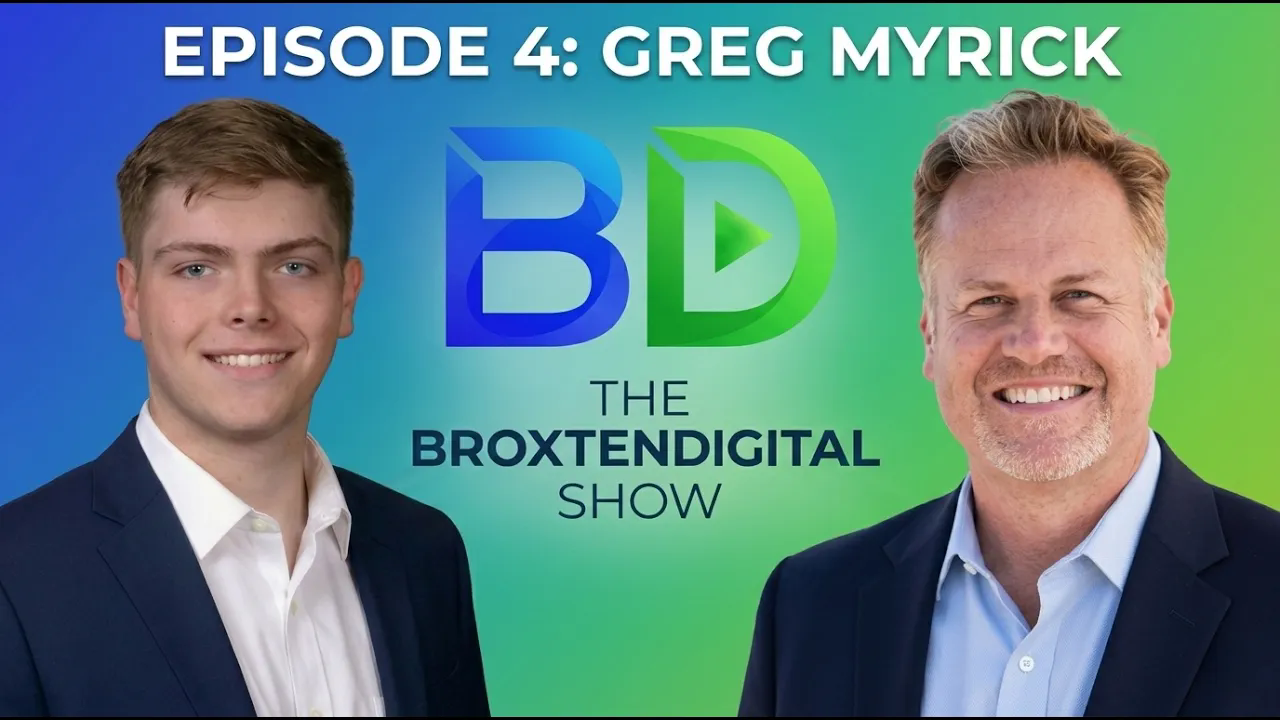
In ad sales, you sell advertising space and solutions for a media company. You're working with brands and their agencies to solve a specific business problem. Building the campaign is on them. Greg Myrick does that for Spotify's automotive vertical, managing a team across New York, Detroit and Los Angeles that works with Ford, General Motors, Stellantis, Volkswagen, Toyota and Honda.
I asked Greg on the show because he took the time to help me when I was an undergrad at Michigan State, before I ever entered the industry. His ad sales career has spanned Yahoo, Twitter, Google and Amazon, with automotive at the center of each one.
What is ad sales?
"It's ultimately just trying to solve that problem and being able to demonstrate why I'm the best person and we're the best company to help solve that problem for them," Greg said. Company to company, the products changed, but the first move was always identical: understand the client's challenge before throwing a solution at them.
One case that stood out to him: a Toyota launch where influencers told their own come-up stories to reach the entry-level buyers Toyota wanted. It worked because it solved a specific problem: building consideration for an all-new vehicle among the entry-level buyers Toyota wanted to reach.
Trying to land your first role in advertising or marketing? Every episode is someone who built a career in this industry sharing what works. Subscribe on YouTube.
Ad sales or agency: which should you start in?
There's a myth that ad sales has its own entry-level track the way agencies do. That's not how it works. "My first recommendation is actually to learn from the ground up," and for him that meant starting in an automotive ad agency, working alongside the people who built campaigns from media to creative to production.
He'd spend the next two decades in sales, but it all started from those agency years. Understanding your client's decision-making process and where campaigns break is what gets a pitch to land, and you can't fake it without the actual experience.
How do you message a busy director on LinkedIn?
Greg tells every classroom of students the same thing: connect with him on LinkedIn. Almost nobody does. "At best, I'd say only about 10% of the people take me up on that offer. I'd say another 10% of that actually reach out to me to set up time," he said. I went after both, which is exactly how we landed on this episode two years later.
His take on the opening line: make it about them, not about you. Reference a post, a project, or something specific about them before you ever say your own name. Even he gets ghosted reaching out to new clients cold, so don't let it get to you when it happens.
Should you specialize in one industry?
Greg's been in automotive the whole way, moving from agency work through Yahoo, Twitter, Google, Amazon, and now Spotify. Even so, his advice runs the other way: "Be someone who is more well-rounded and flexible with where opportunity lies."
Format is what he diversified. Display and search at Yahoo, social at Twitter, e-commerce at Amazon, audio and video at Spotify. He goes deep in one industry and stays flexible on how to do the work. That's what he credits for staying sharp over twenty years.
Watch the full conversation
Watch the full episode for how Greg handles a volatile auto industry through tariffs and shifting regulations, why he joined an automotive streaming council with Netflix, NBC and Roku, and his honest take on using AI without losing the relationship-building that actually closes deals.
Watch next: How To Build a Marketing Career Without a Marketing Internship
Greg is active on LinkedIn and open to connecting. Subscribe on YouTube for the rest of the conversations behind this show.